How Digital Menu Boards Work: A Comprehensive Guide
Digital menu boards are revolutionising the way restaurants present their offerings, providing a dynamic and engaging way to display menus. In this article, we’ll delve into the workings of digital menu boards, their components, benefits, and future trends.
What are Digital Menu Boards?
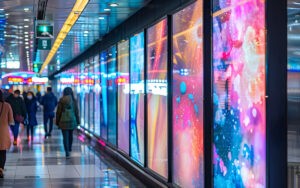
Digital menu boards are electronic displays used in restaurants and other food service establishments to present menu items, promotions, and other relevant information. These boards replace traditional static menus with vibrant, interactive displays that can be easily updated and customised.
Components of Digital Menu Boards
Digital menu boards consist of several key components:
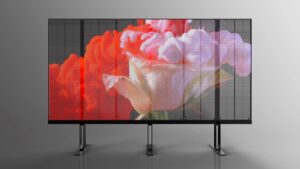
- Screen: The display unit, which can be an LCD, LED, or touchscreen, is where the content is shown.
- Media Player: A device that stores and plays the content on the screen.
- Content Management System (CMS): Software used to create, manage, and schedule the content displayed on the screens.
- Network Connection: Allows the media player and CMS to communicate, often via the internet.
How Digital Menu Boards Work
- Content Creation: The process begins with creating the content using a CMS. This can include images, videos, text, and interactive elements.
- Content Management: The CMS allows restaurant operators to organise and schedule the content. Changes can be made in real-time or scheduled for specific times.
- Content Delivery: The media player retrieves the content from the CMS and displays it on the screen. This process is managed over a network connection, ensuring seamless updates and operation.
Benefits of Digital Menu Boards
Digital menu boards offer numerous advantages:
- Easy Updates: Menu items and prices can be updated instantly, reducing the need for reprinting.
- Enhanced Visuals: High-definition images and videos make menu items more appealing.
- Improved Customer Experience: Interactive and dynamic displays engage customers, making the dining experience more enjoyable.
Types of Digital Menu Boards
- LCD Displays: Commonly used for their affordability and good quality visuals.
- LED Displays: Known for their bright and vibrant colours, ideal for attracting attention.
- Touchscreen Displays: Allow customers to interact directly with the menu, making selections and customising orders.
- Interactive Displays: Can include features such as games or trivia to entertain customers while they wait.
Implementation Tips for Digital Menu Boards
- Choose the Right Hardware: Select screens and media players that suit your restaurant’s needs and budget.
- Design Engaging Content: Create visually appealing and easy-to-read content.
- Ensure Network Stability: A reliable network connection is crucial for smooth operation and updates.
Future Trends in Digital Menu Boards
The future of digital menu boards is promising, with several exciting trends on the horizon:
- Integration with AI: AI can personalise menu suggestions based on customer preferences and past orders.
- Mobile Ordering: Integration with mobile apps allows customers to interact with the menu and place orders from their smartphones.
- Personalised Experiences: Advanced data analytics can provide insights into customer behaviour, allowing for more personalised interactions.
Conclusion
Digital menu boards are a powerful tool for modern restaurants, offering flexibility, enhanced visuals, and improved customer engagement. By understanding how they work and implementing them effectively, restaurants can stay ahead in the competitive food service industry.
Explore more about how digital menu boards can transform your restaurant here.


About author