If you’ve ever spent time in a large city centre then you’ll be aware of the sensory overload that DOOH (digital out of home) ads can have, particularly when they’re grouped together. But while it’s undeniably pretty impressive to step out in Piccadilly Circus or Times Square and marvel at the lights and the sounds, it can be a little overwhelming and it can be a little difficult to see the trees for the wood.
People are always going to put a digital advertising display where there’s going to be a captive audience. The entire industry is predicated on that fact. Whether that’s on the side of buses and buildings or above urinals is immaterial.
But when we spend so much of our lives glued to various screens (be they our phones or our televisions) do marketers perhaps run the risk of investing their DOOH resources in signs that will be automatically filtered out by most of us? They certainly do if the content and the delivery are badly pitched. What’s the solution here?
Why is DOOH still a big deal?
According to a recent survey of senior advertising professionals, almost half believe that investment in DOOH will soar over the next four years. It accounts for more than half of total OOH revenue in the UK and if brands and businesses are going to break through the noise and reach consumers in the coming years, they are going to need to rethink how they build their DOOH campaigns.
DOOH in a post-COVID world
COVID hasn’t left us yet but we are undoubtedly living in a world forever changed by the events of the pandemic. People today are more engaged than ever before with their smartphones and good DOOH should be doing everything within its power to take advantage of that fact.
This digital integration is going to become more common as so-called “smart cities” start to become a reality. We’re talking about a near future where it’s possible for digital displays to reveal targeted advertising depending on the proximity of consumers as their data is read directly from their phones.
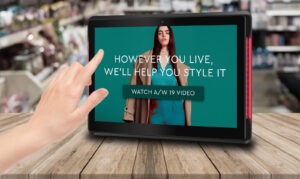
It also means asking consumers to have more direct interaction with the DOOH. Content that allows consumers to engage with the advertising rather than view it passively is always going to draw more attention, for example. But it’s not just the content itself that needs to be rethought, it’s the timing, the location and the hardware itself too. Let’s start by looking at the latter.
The right hardware
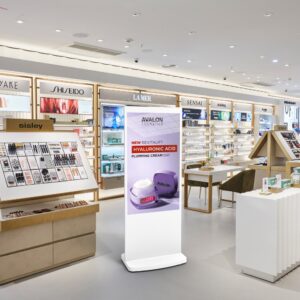
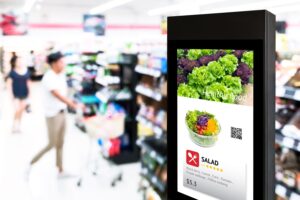
All the prime content and the best spots in the world are going to mean very little without the hardware to back it up. Digital signage has evolved considerably since the turn of the century. The expensive and garish screens of the past have been replaced by sleek and deceptively flexible signage solutions that can comfortably display high definition video.
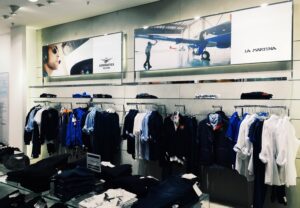
The variety of screens also expands what you can do with your content and the kind of real estate you can claim. For example, a custom LED video screen could be mounted onto an entire wall with room for doors, windows and even elevators carved within the screen itself. This offers lots of options for OOH advertising within larger department stores.
As for the content itself, the fact that you can order screens to almost any conceivable dimension and specification means you can be incredibly inventive with the sort of creative content you show. Content created specifically to make use of a certain custom screen size, for example, will really make a strong impression on even the most jaded of audiences.
Hitting prime time
For decades, prime time television has decided where the most valuable advertising spots are for TV ads. So why is the same not true when it comes to OOH now that it has the ability to change and adapt at the flick of a switch?
Leading OOH company Ocean Outdoor set out to prove the validity of so-called “DOOH Primers” via studies that proved a higher level of emotional engagement if certain ads were shown at certain locations at certain times.
In 2022, the best DOOH is not only going to be more interactive and more relevant but it’s going to be better placed and on better hardware too. It’s going to be about creating the activations that get people talking and moving the platform forward in a way that’s sustainable and exciting on screens that will stand the test of time.
Image: Mark ONCE / Shutterstock.com


About author